top of page


Braudel and Drug Trafficking
A seizure may last only a few hours. The routes that brought the cocaine there, decades. Some of the structures that made its journey possible, centuries. A journey into the depths of drug trafficking through the lens of Fernand Braudel.

Lucas Manjon


Architecture, Territory, and Networks of Illegality
Architecture and urban planning can address territorial violence through care, land regulation and community life. Feminist urbanism proposes safer, more equitable and livable cities built around everyday life and collective needs.
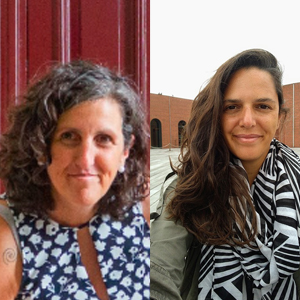
Gabriela M Gonzalez & Anabela Roitman


The Value of What Is Not Sold
Selling a confiscated asset can recover money. Returning it to society can mean much more: reclaiming territory, rebuilding communities, and transforming what was once a source of criminal power into public value.
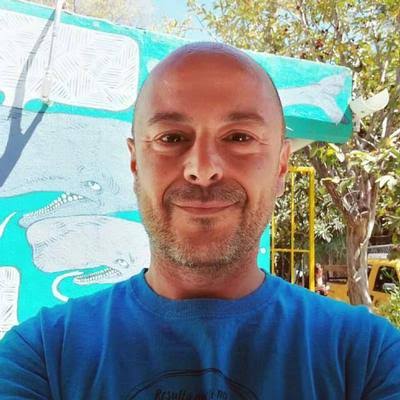
Emiliano Cottini


The Uberization of Drug Trafficking
Drug trafficking no longer depends on large cartels: technology and the circulation of know-how enable a decentralized model in which small actors produce and sell drugs.
Lucas Manjon


When the Narco Became Flexible
The decentralized production of synthetic drugs transformed the logic of the drug war.
Lucas Manjon


The Morgue as a Political Laboratory
The debate on the age of criminal responsibility requires evidence, institutional capacity, and victim support — not urgent responses without real ability to implement them.
Lucas Manjon


It’s the economy, stupid: fentanyl, drugs, and accumulation
Fentanyl made it possible to reduce costs, expand supply, and massify consumption. When pain becomes a business and turns into an opportunity.
Lucas Manjon
bottom of page